Rivers of Gold: Your First Steps into Amateur Prospecting Across Scotland's Waterways
Rivers of Gold: Your First Steps into Amateur Prospecting Across Scotland's Waterways
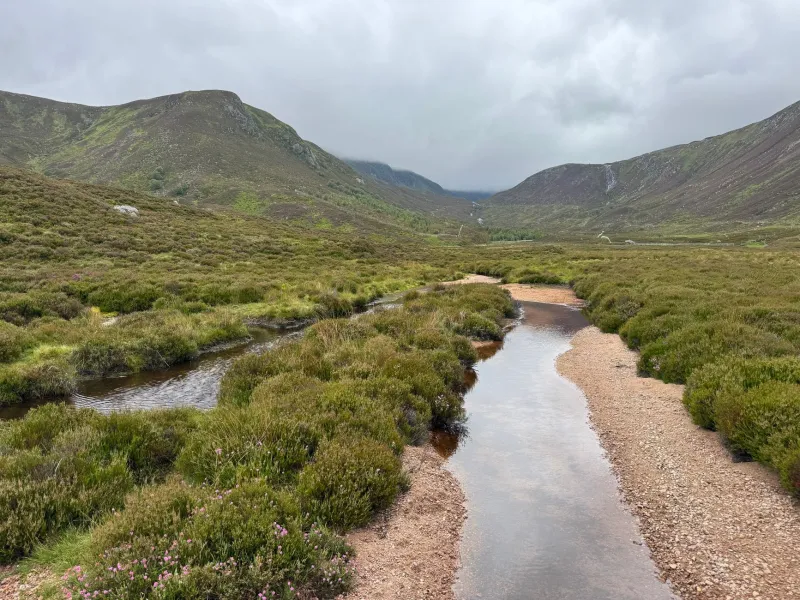
There is something quietly extraordinary about crouching beside a Highland burn, swirling a pan of gravel, and watching a glint of yellow settle at its base. Scotland has been producing alluvial gold for well over four centuries, and whilst commercial extraction dominates the headlines, the country's rivers and streams remain accessible — and surprisingly productive — for the amateur prospector willing to invest a little time and patience.
This guide is designed for those at the very beginning of their prospecting journey. It covers the practical essentials: what to buy, where to go, when to go, and crucially, what the law requires of you before you dip a pan into any Scottish watercourse.
Understanding Alluvial Gold and Why Scotland Has It
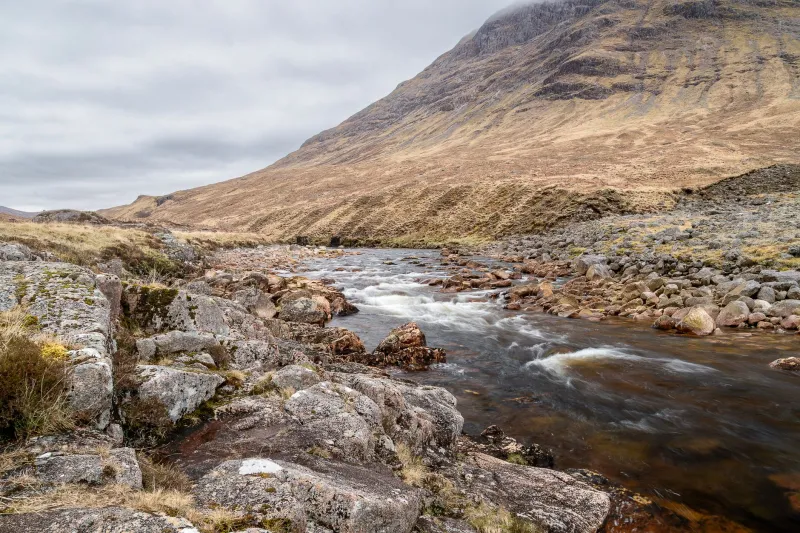
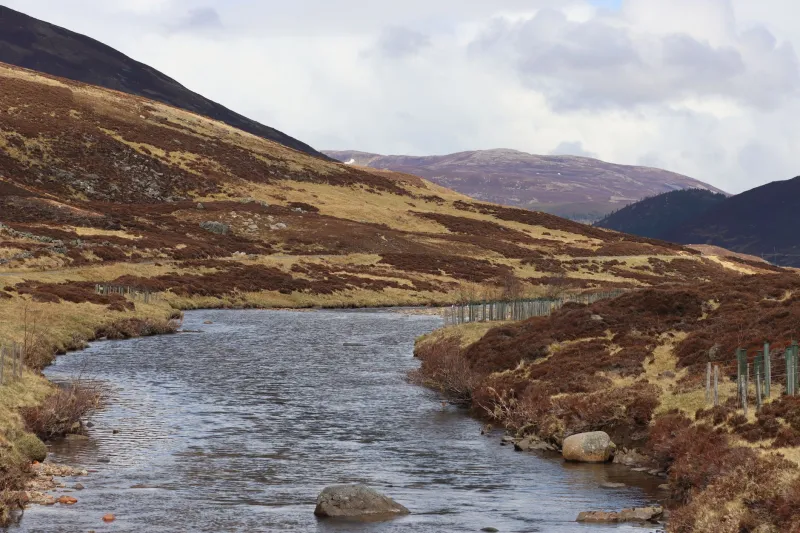
Scotland's gold originates primarily in ancient metamorphic and igneous rock formations that were laid down hundreds of millions of years ago. Over geological time, erosion has liberated fine particles and occasionally larger nuggets, which have been carried downstream by rivers and deposited wherever the current slows — typically on the inside bends of rivers, behind boulders, and in natural bedrock crevices.
The southern Highlands, Sutherland, and parts of Dumfriesshire are particularly well-regarded by the prospecting community. The Strath of Kildonan in Sutherland — scene of Scotland's own gold rush in 1869 — remains perhaps the most famous recreational prospecting destination in the country, drawing enthusiasts from across the UK and beyond. Baile an Or, near Helmsdale, is the recognised focal point for this activity and is managed specifically for amateur prospectors, making it an ideal starting location for newcomers.
Essential Equipment: What You Actually Need
The appeal of gold panning lies partly in its accessibility. Unlike many outdoor pursuits, the entry cost is modest, and the core equipment is straightforward.
The gold pan is your primary tool. Plastic pans — typically black or dark green — have largely superseded the traditional steel variety, as the contrast makes fine gold particles far easier to spot. A 10 to 14-inch pan suits most beginners. Look for pans with moulded riffles (ridges) inside the bowl, which help trap heavier material during the washing process.
A classifier or sieve speeds up the process considerably by removing larger stones and organic material before you begin panning. A mesh size of around 1/8 inch is a practical starting point.
A snuffer bottle — a small squeeze bottle with a fine nozzle — allows you to recover fine gold particles from your pan without losing them. This is an often-overlooked but genuinely useful piece of kit.
A trowel or small garden fork is useful for loosening gravel from bedrock crevices and sampling material from beneath larger stones.
Appropriate clothing should not be underestimated. Scottish river conditions can be cold even in summer. Waterproof waders or at minimum robust waterproof boots are strongly advisable, along with layered clothing. Midges are a seasonal reality in many Highland locations — insect repellent is not optional.
A basic starter kit comprising pan, classifier, and snuffer bottle can be purchased from specialist prospecting suppliers for under £40, making this one of the more economical introductions to Scotland's mineral heritage.
Where to Prospect: Publicly Accessible Locations
Not every Scottish river is open to the public for prospecting, and obtaining the correct permissions is both a legal and an ethical obligation. However, several well-established locations do offer legitimate access.
Baile an Or, Sutherland remains the benchmark recreational site. Operated under a licence arrangement, it permits paying visitors to prospect the Kildonan Burn and surrounding tributaries. The Strath Ullie Sports Association manages access, and a modest daily fee applies. The location is historically significant and the surrounding landscape is spectacular — this is often the first destination serious beginners choose.
The Mennock Pass area in Dumfriesshire has a long association with gold finds, and parts of the Mennock Water have historically been accessible for recreational use, though prospectors should verify current access arrangements directly with local landowners and the relevant authority before visiting.
The Leadhills and Wanlockhead area in the Southern Uplands is another region with documented gold occurrence. The Lowther Hills have yielded gold finds for centuries, and the local heritage is well documented. Again, access requires prior arrangement.
As a general principle, always seek written permission from the landowner before entering any private land, even where a watercourse runs through it. Scotland's Land Reform (Scotland) Act 2003 grants considerable access rights, but these do not extend to activities that disturb the land or its mineral content without specific consent.
Seasonal Considerations: Timing Your Visit
Conditions vary considerably across the Scottish calendar, and timing a prospecting trip thoughtfully can make a material difference to both safety and productivity.
Late spring and early summer — roughly May through June — offer a balance of accessible conditions, longer daylight hours, and relatively moderate river levels following snowmelt. This is widely regarded as a productive period for alluvial sampling.
Midsummer brings the highest tourist footfall to popular sites such as Baile an Or, and midge activity peaks in July and August. That said, lower river levels in dry spells can expose more bedrock, making it easier to sample crevice material.
Autumn offers quieter conditions and often excellent visibility in clear Highland rivers, though weather can deteriorate rapidly and river levels may rise sharply after rainfall.
Winter prospecting is strongly discouraged for beginners. Cold water temperatures, high river flows, and reduced daylight create conditions that are both uncomfortable and potentially hazardous.
The Legal Framework: What Prospectors Must Know
In Scotland, all gold found in its natural state belongs to the Crown under the Mines Royal Act 1688, as administered through the Crown Estate Scotland. This means that before undertaking any gold prospecting — even purely recreational panning — you are required to hold a licence from the Crown Estate Scotland.
For recreational prospectors, a Recreational Gold Panning Licence is available from Crown Estate Scotland. The application process is straightforward, and fees are modest. Operating without such a licence, even casually, places you in breach of Crown rights and potentially liable to prosecution.
Beyond Crown licensing, prospectors must also:
- Obtain permission from the relevant landowner before accessing private land.
- Avoid disturbing riverbanks, vegetation, or watercourse beds in ways that could cause erosion or environmental damage.
- Comply with any site-specific conditions attached to managed prospecting locations.
- Refrain from using mechanical equipment — dredges, high-bankers, or suction devices — without specific additional authorisation.
Complying with these requirements is not merely a legal formality. It protects access for the entire prospecting community and ensures that Scotland's remarkable mineral heritage remains available for future generations.
Starting Your Journey
Amateur gold prospecting in Scotland is a pursuit that rewards patience and curiosity in roughly equal measure. The country's geological richness, combined with its dramatic and accessible landscape, makes it a genuinely compelling destination for newcomers to the craft. The finds themselves — even modest traces of alluvial gold — carry a weight of history that few other hobbies can match.
Secure your licence, contact your chosen location in advance, invest in a basic kit, and allow yourself the time to learn the technique properly. The rivers have been giving up their gold for centuries. With the right preparation, there is no reason your first season cannot yield something worth keeping.